


Address:
1432 Park Street
Alameda, CA 94501

Diabetic Retinal Exams vs. Glaucoma Screenings in Alameda: Costs, Coverage, and What to Expect
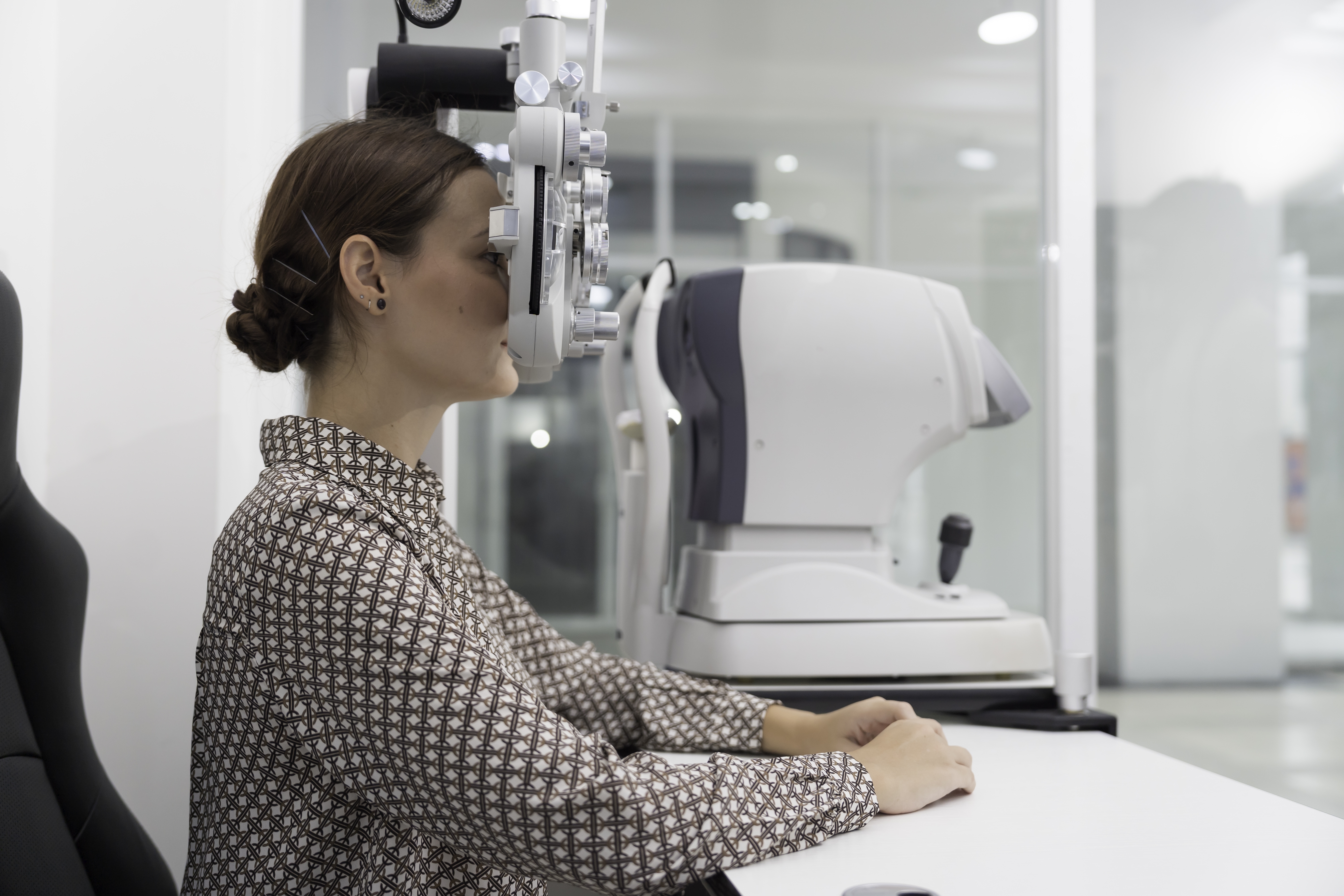
Diabetes and glaucoma can both threaten vision without causing noticeable symptoms early on. That is why regular medical eye care matters, especially for Alameda patients with diabetes, elevated eye pressure, a family history of glaucoma, or other risk factors.
Diabetic retinal exams and glaucoma screenings evaluate different parts of eye health, and they may also be billed differently from a routine vision exam. At Alameda Eyes Optometry, we provide comprehensive eye health assessments, diabetic-related eye exams, glaucoma testing, and ocular disease management based on each patient's individual needs.
What Is a Diabetic Retinal Exam?
Diabetes can damage the small blood vessels that supply the retina, creating a condition called diabetic retinopathy. Because early changes may occur without obvious vision problems, regular retinal evaluation is an important part of diabetes care.
During a diabetic eye exam, we may dilate your pupils so we can examine the retina and other structures at the back of the eye. Retinal imaging may also be used to document the appearance of the retina and look for changes over time.
Testing may include:
- Visual acuity measurements
- Dilated examination of the retina
- Retinal photography or advanced imaging
- Evaluation of retinal blood vessels
- Assessment for swelling, bleeding, or other diabetic changes
- Additional testing when abnormalities are detected
Dilating drops can temporarily make near vision blurry and increase light sensitivity, so bringing sunglasses is helpful.
What Happens During a Glaucoma Screening?
Glaucoma damages the optic nerve and can gradually reduce peripheral vision. Elevated eye pressure is an important risk factor, but pressure alone cannot determine whether someone has glaucoma.
A glaucoma evaluation in Alameda may include measuring the pressure inside your eyes, examining the optic nerves, and evaluating your peripheral vision. Depending on your findings and risk level, additional testing may measure corneal thickness, examine the drainage angle, or create detailed images of the optic nerve and retinal nerve fiber layer.
These measurements work together to establish a baseline and identify changes that deserve closer monitoring.
How Costs and Insurance Coverage Differ
The cost of a diabetic retinal exam or glaucoma screening depends on the tests performed, your diagnosis, your insurance plan, deductible, copay, and whether additional imaging is medically necessary.
Medical eye care is also different from routine vision benefits. A vision plan commonly focuses on routine eye exams, glasses, and contact lenses. Medical insurance may apply when an examination is performed because of diabetes, glaucoma risk, eye disease, or specific symptoms.
Medicare Part B generally covers an annual diabetic eye exam for eligible patients with diabetes. It also provides glaucoma screening coverage every 12 months for qualifying patients considered at high risk. Deductibles, coinsurance, provider participation, and other plan rules still affect out-of-pocket expenses.
Alameda Eyes Optometry accepts most major forms of insurance, but coverage varies. Contact our office and your insurance provider before your appointment if you want to confirm benefits and expected costs.
Do You Need Both Exams?
Some Alameda patients need evaluation for both diabetic retinal disease and glaucoma. Diabetes itself can increase the need for careful eye health monitoring, and a comprehensive dilated exam allows the doctor to assess multiple structures during the same visit.
However, the specific tests performed depend on your history and previous findings. A patient with suspicious optic nerve changes may require visual field testing or additional glaucoma imaging, while a patient with diabetes may need closer retinal monitoring.
Having both risk factors does not necessarily mean two completely separate office visits are required. Our team can determine which testing should be included and explain how each service will be handled.
What Should You Bring to Your Appointment?
Bring your current glasses, medication list, insurance information, and details about your medical history. If you have diabetes, knowing your recent A1C, blood pressure, and any previous diabetic eye findings can also be helpful.
Schedule your medical eye exam with Alameda Eyes Optometry at 1432 Park Street, Alameda, CA 94501. Call or text (510) 769-2020 to discuss diabetic retinal exams, glaucoma screening, and your insurance benefits.
© 2026 Alameda Eyes Optometry . All rights Reserved - Accessibility Statement - Privacy Policy - Terms and Conditions - Sitemap
Powered by

