


Address:
1432 Park Street
Alameda, CA 94501

Why Early Detection of Macular Degeneration Matters
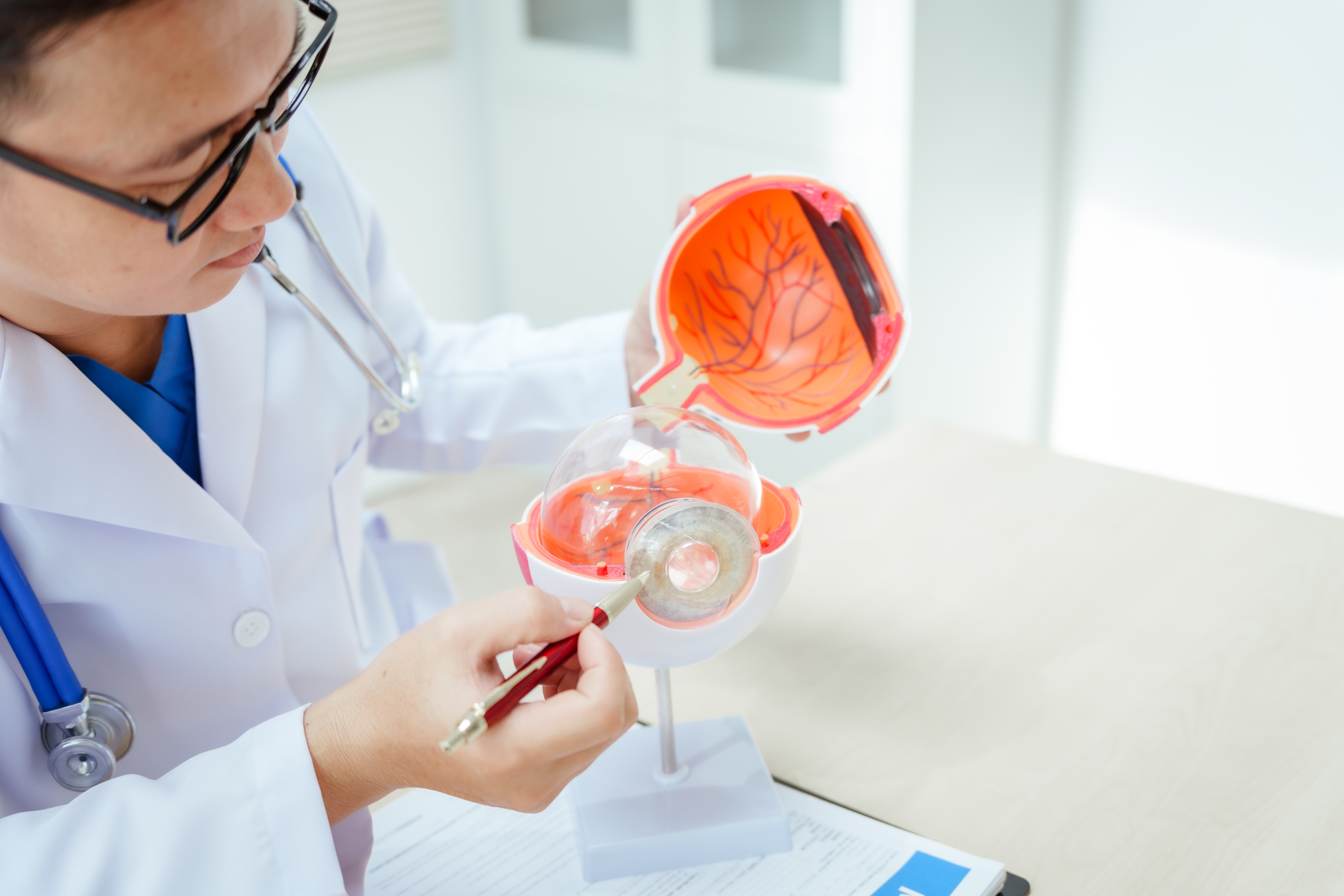
Macular degeneration is one of the most important eye health conditions to watch for as you age. It affects the macula, the part of the retina responsible for sharp central vision. This is the vision you use for reading, driving, recognizing faces, and seeing fine details. For patients in Alameda, early detection of macular degeneration can make a meaningful difference in protecting vision and planning the right care.
At Alameda Eyes Optometry, comprehensive eye exams help identify subtle changes in the retina before vision loss becomes more noticeable. Because macular degeneration often develops gradually, regular eye care is one of the best ways to stay ahead of changes.
What Is Macular Degeneration?
Macular degeneration, often called age-related macular degeneration or AMD, is a condition that affects central vision. It does not usually cause complete blindness, but it can make detailed tasks more difficult over time.
There are two main types: dry macular degeneration and wet macular degeneration. Dry AMD is more common and tends to progress slowly. Wet AMD is less common but can progress more quickly and may require prompt treatment from a specialist. Detecting either form early gives your eye doctor more information to monitor changes and guide the next steps.
Why Early Detection Is So Important
In the early stages, macular degeneration may not cause obvious symptoms. Some people in Alameda may still see well enough to read, drive, and work while early retinal changes are already present. That is why waiting for vision problems is not always the best approach.
Early detection matters because it allows your eye doctor to track changes over time, review risk factors, and recommend monitoring or referral when needed. The earlier changes are found, the more proactive your care can be.
Signs You Should Not Ignore
Macular degeneration can affect each person differently. Some symptoms may seem mild at first, especially if one eye is stronger than the other. Schedule an eye exam if you notice:
- Blurry or distorted central vision
- Straight lines appearing wavy
- Difficulty reading small print
- Trouble recognizing faces
- Dark or empty spots in central vision
- Needing brighter light for close-up tasks
- Changes in color or contrast sensitivity
If symptoms appear suddenly or worsen quickly, contact an eye care provider right away. Sudden central vision changes can be urgent and should not be ignored.
Who Is At Higher Risk?
Age is one of the biggest risk factors for macular degeneration, especially after 50. Family history can also increase your risk. Other factors may include smoking, high blood pressure, prolonged UV exposure, and certain lifestyle or nutritional patterns.
For adults in Alameda with a family history of macular degeneration, routine eye exams are especially important. Even if your vision seems stable, a retinal evaluation can help detect early changes that may not be obvious during daily life.
How Eye Exams Help Detect Macular Degeneration
A comprehensive eye exam does more than check whether you need glasses. It also gives your eye doctor a closer look at the health of your retina and macula. Depending on your needs, your exam may include retinal imaging, dilation, visual acuity testing, and other evaluations to assess changes in the back of the eye.
At Alameda Eyes Optometry, eye health assessments are used to support early diagnosis and ongoing monitoring. If signs of macular degeneration are found, your doctor can explain what they mean and whether follow-up testing, lifestyle guidance, supplements, or referral to a retinal specialist may be appropriate.
Protecting Your Vision Over Time
While not every case of macular degeneration can be prevented, regular eye exams can help protect your vision by identifying concerns early. Healthy habits may also support long-term eye health. These include not smoking, wearing UV-protective sunglasses, eating a nutrient-rich diet, managing blood pressure, and keeping up with recommended eye exams.
For patients in Alameda, the goal is to detect changes before they interfere with independence and daily comfort. If you are over 50, have a family history of AMD, or have noticed changes in your central vision, it is a good time to schedule a comprehensive eye exam.
To schedule an eye exam and learn more about early detection of macular degeneration in Alameda, contact Alameda Eyes Optometry at 1432 Park Street, Alameda, CA 94501, or call (510) 769-2020.
© 2026 Alameda Eyes Optometry . All rights Reserved - Accessibility Statement - Privacy Policy - Terms and Conditions - Sitemap
Powered by

